
Introduction
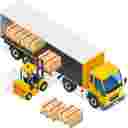
Safe packaging and moving goods is one of the most important aspects of business and everyday life. Whether sending a small gift to your friend or moving large volumes of goods to your business, observing safety tips and proper packaging can prevent possible damage and ensure that the goods are safe. This comprehensive guide helps you learn about the principles of secure packaging and transportation of goods and be able to carry your goods more confidently.
Planning and Preparation Before Packaging
Before starting the packaging process, you need to do a detailed plan. First, evaluate the type of goods and select the appropriate packaging material. For example, breakable goods require more durable boxes and more protective materials. Also, make a list of all the accessories you need, including boxes, strips, foam, bubble plastic and labels. Consider environmental conditions as well; For example, if the goods are exposed to moisture, use waterproof materials.
Selection of appropriate packaging materials
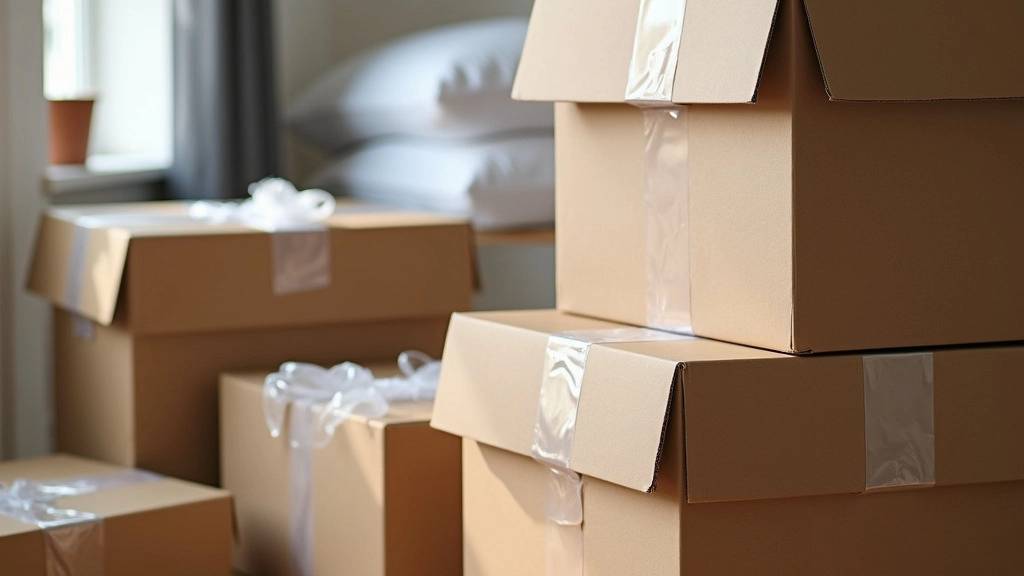
Choosing the right packaging materials plays a vital role in maintaining the safety of goods. Boxes and cartons must be resistant to the weight and size of the goods. Do not use second -hand boxes with injury, as they may open during transport. Protective and plastic foams protect the goods from the impact and vibration. Use wood or metal boxes for more sensitive goods.
Golden Packaging Techniques
Correct packaging techniques can greatly prevent damage to the goods. Fill the empty space inside the boxes with soft materials such as foam or crumpled paper to keep the goods in place. Never put the goods directly on each other; Use the protective layers between the goods. Tighten the package with the sticky tape and make sure all the seams are covered.
Tagging and Marking Correct
Labeling and marking the right packages helps the carrier move the goods properly. The tag must include the full information of the recipient and the sender, the contact number and the accurate address. For breakable goods, use the "breakable" label and stick it clearly on the packaging. Also, if the product requires special care (such as maintenance at specific temperature), mention it on the label.
Selection of the right transportation method
Choosing the right transportation method depends on the type of product, delivery time and budget. Ground transportation is usually the cheapest option, but it may take longer. The air transport is faster, but it costs more. Maritime transport is suitable for bulk and heavy goods, but the delivery time is very long. Consider all aspects and choose the best option before choosing the transportation method.
Product Insurance and Risk Management
Insurance is one of the most important measures you can take to protect your goods. In the event of damage, insurance can cover the cost of repair or replacement of the goods. Before transporting, carefully check the insurance conditions and make sure that all potential risks are covered. Also, use valid and experienced transport companies to manage risk and monitor the transportation process carefully.
Key Tips for Move Special Products
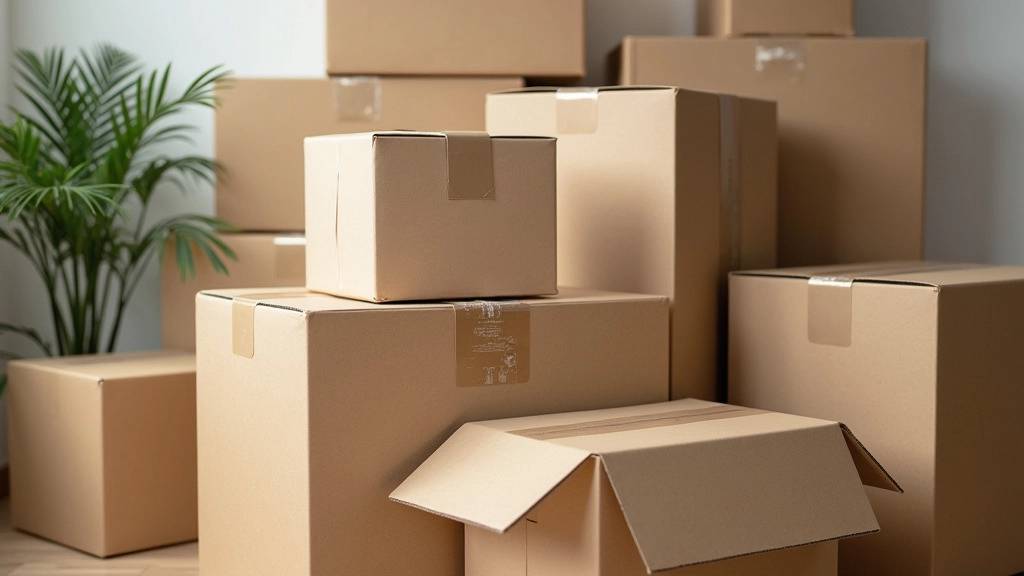
Some goods require special packaging and displacement. For example, breakable goods should be packaged in box -resistant boxes. Fluids should be stored in sturdy containers and prevent them from leaking. Dangerous materials should be packaged and marked in accordance with the relevant rules and regulations. Use special packaging for specific goods if needed.
Introducing Saif Khuzestan Tale Company for more information
If you are looking for more information about transportation and logistics, we suggest you visit Khuzestan Saif Taliban Freight Company . The collection is a comprehensive source of information that includes articles, guides and news from the transportation industry. By visiting this site, you can find out more about choosing the right transportation method, secure packaging of goods and risk management.
conclusion
Packaging and moving the goods requires careful planning, choosing the right materials, and observing safety tips. By following this guide, you can prevent possible damage and ensure that your goods will reach your destination. Keep in mind that choosing the right transportation, commodity insurance and risk management are also important factors to consider.